
Gene Zesch
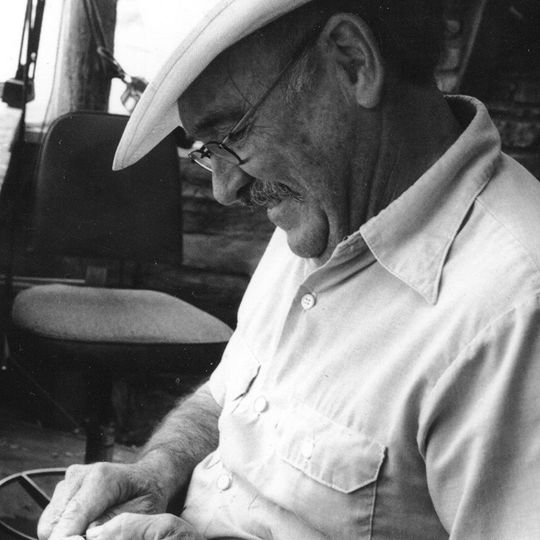
Gene Zesch
A memorial will be held at St. Paul Lutheran Church in Mason on Saturday, March 14, at 2:00 P.M., with __________________________ Friends and relatives may visit with the family at the _____________________________ A reception will follow the service at the home of Amelia and Scott Zesch at 886 Korn Pasture Road south of Mason. Gene’s ashes will be interred in the Gooch Cemetery in an urn made by _________________________ tree that stood on Mason’s courthouse lawn.
Texas author John Graves described Gene’s work as “distinctive, warm-hearted, carved-wood caricatures of ________ ____ ______ ______ characters.” Texas Monthly once summed up his sense of __________________________ ______ ____ _______ ________ instead of written books, they would probably look like this.” As noted on his website, Gene was known ______________________________ ____________________ _______ ____ ______ ____ born in the Grossville community of Mason County on January 9, 1932, to Kurt and Benellen (Hey) Zesch. ___________________________ ranch on R.R. 1871 and rode his horse four miles to Mason to attend school. Ex____________________________ like his forefathers, Gene ____________________________ husbandry from Texas A&M in 1953. He then served three years in the Army and trained as a pilot before __________________________ late in 1956.
Gene married Patsy Underwood in Mason on Sep_____________________________ trip that fall, they saw an artist on the Santa Fe plaza ________ ___ __ ____________ ___________________________ ______________________________ that.” After that trip, he start___________________________ of cowboys and camp cooks in his spare time. A few of his ______________________________ ______________ ___________ _____ _________________________________ ____ _____ ____ ________ ____ ____ ___________ ___ ______ ___ and his friend Tom Harrison leased a remote ranch called El Tullio in the Sierra Madre Mountains near Peñón Blan___________________________ Gene and Patsy and their ____ ______ _____ _______ ___ __ _____ ______ _____________ ______________________________ adventure yielded many treasured memories but little ______ Gene was thrilled when ____ ___ ____ _____________ sold for $35 in 1960, but his mother, Bennie, believed he ______________________________ took several of his pieces to the Country Store in Austin, ______ _______ ____ _____ ____ ________________________________ After that, it became easier _____________________________leries and shows.
___ ____ _____ ___ ______ ___ carved a caricature of President Lyndon Johnson seated ___ ____ ______ ________ __ ______ of bills. Gene and Patsy drove to the Johnson ranch near Stonewall and handed ___________________________ _____________________________ was later displayed at the LBJ Library and was eventually featured in special exhibits at the Smithsonian’s National Portrait Gallery (1993) and the National Archives (1996).
__________________________ some prominent new collec____________________________ in 1967, Lady Bird Johnson asked the Country Store to ______________________________ exhibit to entertain a houseful ___ _______ ___ ____ __________ Texas ranch. Mrs. Johnson ______________________________ to include several of Gene’s pieces in this private show. The president’s family ended ___ _______ ____ ____ ___ ______ ___ __________ ______ ________ Robb commissioned Gene to ____________________________inos with some Hill Country characters.
_______________________ was honored with his first solo show at the Witte Memorial Museum in San An_______ ___ __________ ___ ____ ___ ______ ______ _____ __ ______ ____ _______ ________ ______ _____________ _____ ________ ____ ________ _______ _____ ______ ________ ___ ____ ______ ___ _______ __ ________ _____ ___ __ _________ ____ __________ year, one of his pieces was featured at the Humble Oil Pavilion at HemisFair 68.
By 1970, Gene was work____ _____ _____ ___ ___ ________ _____________________________ _________ _________ _____ ___ Gene’s collectors purchased twenty to thirty pieces. When __________ ______ __________ more work than he could _________ ___ ________ _______ some of his pieces cast into _______ ___ ______ _______ ___ ___________________________ licensed for calendars, post_____ _________ _______ _________ ___________________________ _____________________________ciative audience worldwide.
At first, Gene created a few Old West pieces, but he soon realized that his true subject matter was the hard______ _______ ____ ___________ _____________________________________________________ to find the humor in their predicaments. “Cowboys need a sense of humor,” he once pointed out. “Without _____________________________ ________________________ Gene focused on facial features, and his characters’ trademark expression ____ ____________ _____________ _______ ____ ___ ____ ________ were weathered cowboys; _____________________________ ________ _______ _____ _____ bold knife cuts to produce a _____________________________ ______________________________ ______________________________ __ ________ ___ __ ______ ___ worked in basswood, fash___________________________ ________________ Gene’s work was sold at __________________________out the western United States, __________ ________ _______dra Matteucci Galleries in Santa Fe (where his pieces were featured in shows in 2015 and 2022), Trailside Galleries in Scottsdale and ________ _______ _____ ____ __ ________ _____ ___ _______ ____ ___________________________ Valley, and Texas Art Gallery ___________________________tors were Leon Panetta, John and Nellie Connally, actor John Ritter, record producer ___________________________coe Fawcett, 20th Century ____ _________ ____________ Sen. Alan Simpson, Rep. ______ _______ ____ _______ and coach Dave Cowens, __________________________ ______ ____ _____ ________ owners and accomplished fellow artists.
___ ______ _______ _____ ________________________________ ____ __________ ___ ______ ___tures in San Antonio (1988; the most popular art exhibit the museum had hosted), the Forsyth Gallery at his alma mater, Texas A&M University (1997), and the Museum of Western Art in Kerrville (2020; also, a two-artist exhibit with Ace Reid in 2004). ____ __________ ___ ____ _______ was a solo show at the National Cowboy and Western ______________________________________________________ was the best-attended of any art exhibit in the museum’s history. His collectors donated pieces to the permanent collections of the American University Museum in Wash________ ______ ____ _________ ____________________________ Texas Tech University, the Booth Western Art Museum ______________________________ museums across the nation.
When arthritis limited his ability to work with his hands, Gene turned his attention to his other passions: ____________________________ Mason County’s history. He went on motorcycle trips in Europe, South America and New Zealand. Gene was _____________________________ Mason Square Museum in 2002, helped map the Pinta ______ ________ ______ ____ty, and set up the Wilburn Shearer artifacts exhibit at Fort Mason in 2013. He also took a lead role in sav____ ____ ______ ______ _____ demolition in 1998. Gene __________ ___ ______ ________ trips with his fellow James ______ _________ __ ______ ___ _________ ________ _____ ___ ____ ______________________________ he was inducted into the Mason Chamber of Commerce’s Hall of Fame.
___________ ____ _______ __ an artist, Gene still played ______________________________ ______________ ______ _____ Ranch. No doubt that experience inspired the title of one ___ ____ ________ ____ _______ ______________________________ _____ _____ ______ ___ ________ ______________________ ___________________________ _________ _____ ___ ______ He is survived by his wife of 71 years, Patsy, sons Casey (Lucinda) and Scott __________ __________ ____ (Nicki) and Ben (Raquel), ____________________________ ___________________________________ _________ _____ and Matt (Molly) Banner, ____ ____________________dren Eric, Larissa, Andy and _____ ______ ___ ________ _____ he is survived by sister-inlaw Karen Underwood. He also leaves seven nieces and nephews and their families.
Memorials may be made to the Mason Square Museum, P.O. Box 203, Mason, TX 76856, or to the Fort Mason Historical Committee, c/o Mason County Historical Society, P.O. Box 477, Mason, TX 76856.
( Visitation: Saturday, March 14, 1:00 P.M., St. Paul Lutheran Church) ( Memorial: Saturday, March 14, 2:00 P.M., St. Paul Lutheran Church, P.O. Box 26, Mason, Texas.)